Headless CMS localization tools: Build a hands-off translation workflow
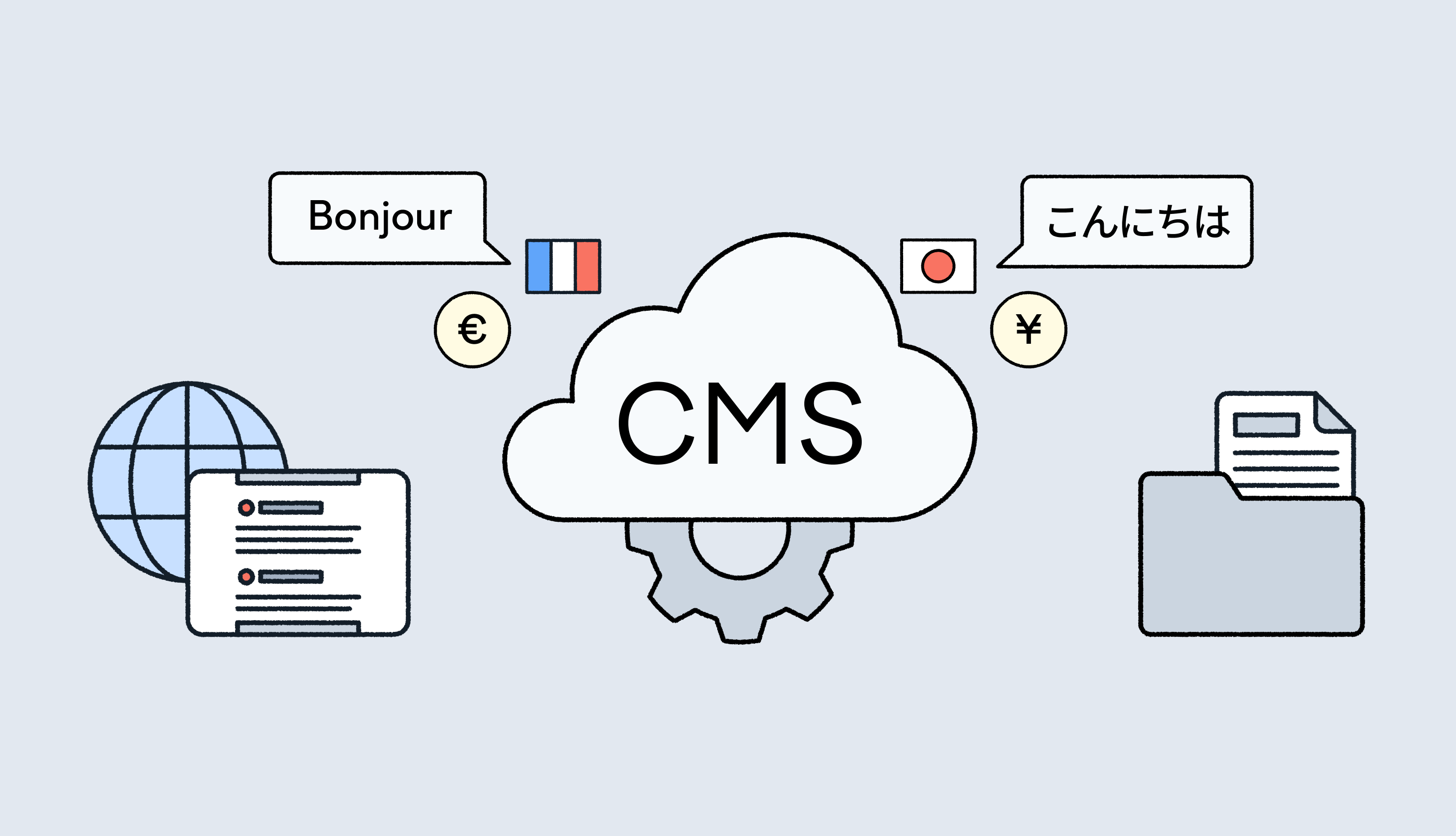
Headless CMS platforms are built for speed. You publish once, every frontend updates. But then localization shows up, and the “fast” stack suddenly depends on a rather slow routine: export strings, email a file, chase approvals, import, fix broken formatting, repeat. If you’re a developer or content manager, you’ve felt the cost. Releases slip and translators work from stale content without even knowing it. Engineers get pulled into one-off fixes. Users end up seeing mixed terminology a
Updated on February 20, 2026·Mia Comic 6 best translation memory software for every use case
Every time you launch a new campaign, you have to translate everything across multiple languages — product UI, marketing pages, help docs, and more. Without translation memory, translators start from scratch every time — even for content they've already translated. You pay full rates again. Every team uses its own terminology again. And your localization process delays market entry. Translation memory (TM) software stores every translated string as a reusable segment in a d
Updated on February 20, 2026·Shreelekha Singh The 5 best in-context editor (ICE) tools for localization quality
When translators work on a bunch of strings listed in spreadsheets and CSVs, they're essentially flying blind. Without seeing where these phrases appear, even experienced linguists struggle to make the right call on tone, length, and word choice. In-context editors (ICE) tools like Lokalise solve this issue by giving translators a real-time preview of the pages or apps they’re translating. So, they can see each string in the actual interface and edit it accordingly.
Updated on January 29, 2026·Shreelekha Singh Top 5 most secure localization tools for healthcare
If you work in healthcare or life sciences, your localization stack lives under the same microscope as your clinical and regulatory content. In translation, GxP validation means your workflows run in a controlled, documented, and tested environment, with defined roles, locked-down steps, and an audit trail for every change that touches patient, clinical, or device-facing text. Keep reading for a clear comparison of the five best healthcare localization tools that can support this
Updated on January 7, 2026·Mia Comic Localization for GEO/AEO: The step-by-step guide to winning AI Overviews internationally
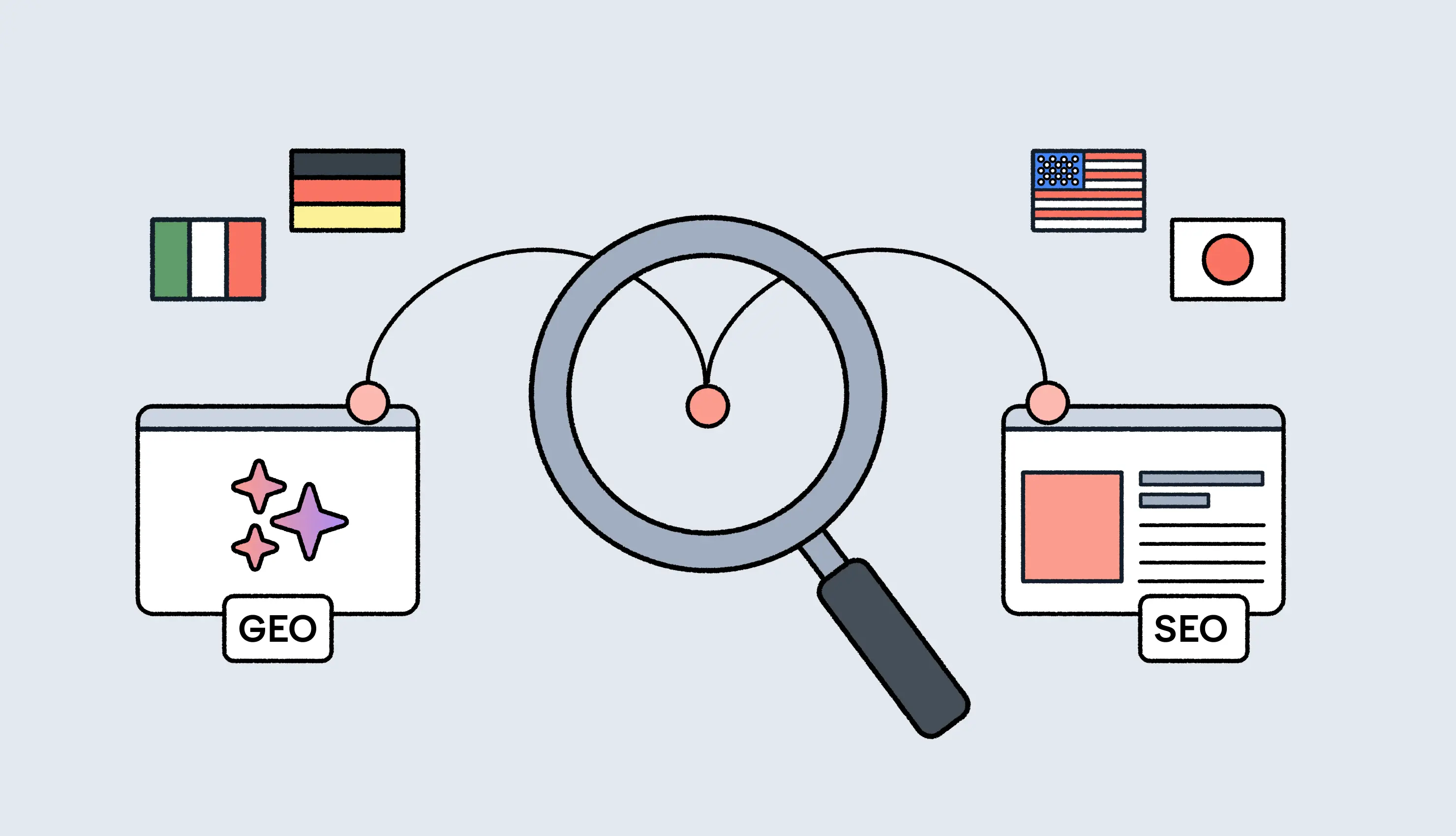
SEO is not dead, but traditional SEO is. While traditional SEO meant (gulp, already talking in past tense) ranking in the top 10 blue links and competing for the number one spot on the SERP, the new rules of search mean optimizing for Generative Search (GEO), also known as AI engine optimization (AEO). Users are no longer looking to click. Th
Updated on December 12, 2025·Victor Tejeda Best fintech translation tools for secure and compliant localization
When you localize banking products, relying on “good enough” fintech translation services isn’t safe.The most secure option is a dedicated translation management system (TMS) suitable for fintech, like Lokalise. Your tool of choice needs to promise ISO 27001-grade security, granular access controls, reliable APIs, and strict glossary enforcement so every disclosure, rate, and fee description stays consistent and audit-ready. In this guide, you’ll find the best financial transl
November 23, 2025·Mia Comic Positioning localization as a core driver of global revenue
Localization is a revenue driver, not a cost of doing business globally. Our Localization Revenue Report proves it. Two out of three companies attribute 26–50% of their revenue growth to localization. Another 11% say it drives more than half their growth. Do the math: a $100 million company sees $26–50 million in growth tied directly to localization.<
Updated on December 19, 2025·Shreelekha Singh Why agile localization is the cure for localization tech debt
Most teams think of technical debt as messy code. But one of the fastest-growing sources of debt has nothing to do with code. It’s about localization. Every sprint, developers are pulled into work they shouldn’t be doing. Chasing down strings, fixing broken file formats, or waiting on content approvals. Hours vanish, releases slip, and frustration grows. Instead of building features, developers become bottlenecks. And when that cycle repeats, it hurts velocity, drives burnout, and
Updated on October 23, 2025·Mia Comic