ChatGPT vs. machine translation: Is it a fair comparison?
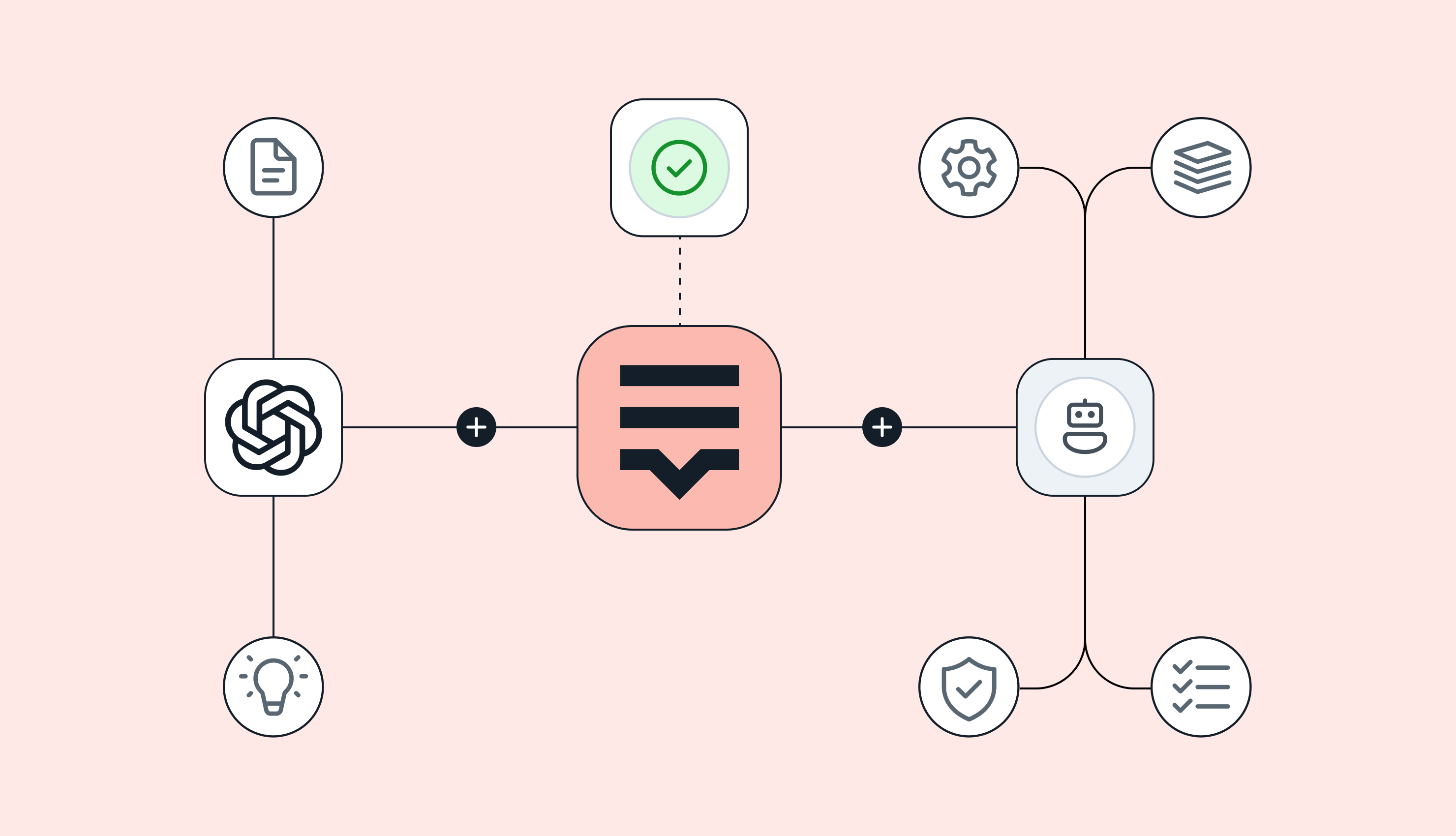
Most teams today are asking themselves: Should we use ChatGPT or machine translation for localization? The real question should be: How can we get the best results from both, without wasting time or money? Large Language Models (LLMs) like ChatGPT are changing the way we approach translation. They offer fluency, creativity, and context awareness that traditional Neural Machine Translation (NMT) engines can’t always match. However… To get localization-ready output fro
Updated on January 30, 2026·Mia Comic How to deliver global digital experiences while keeping costs in check
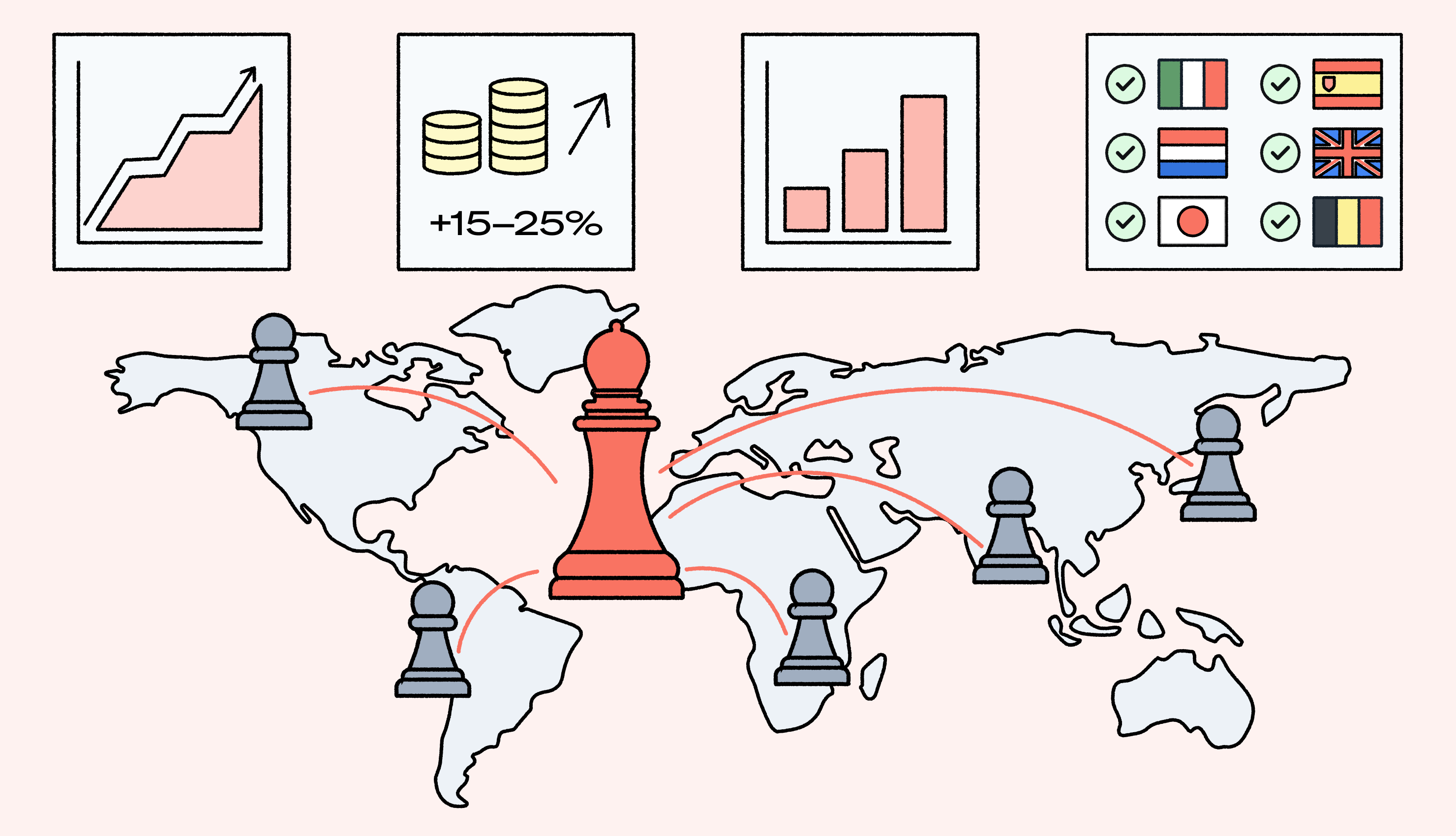
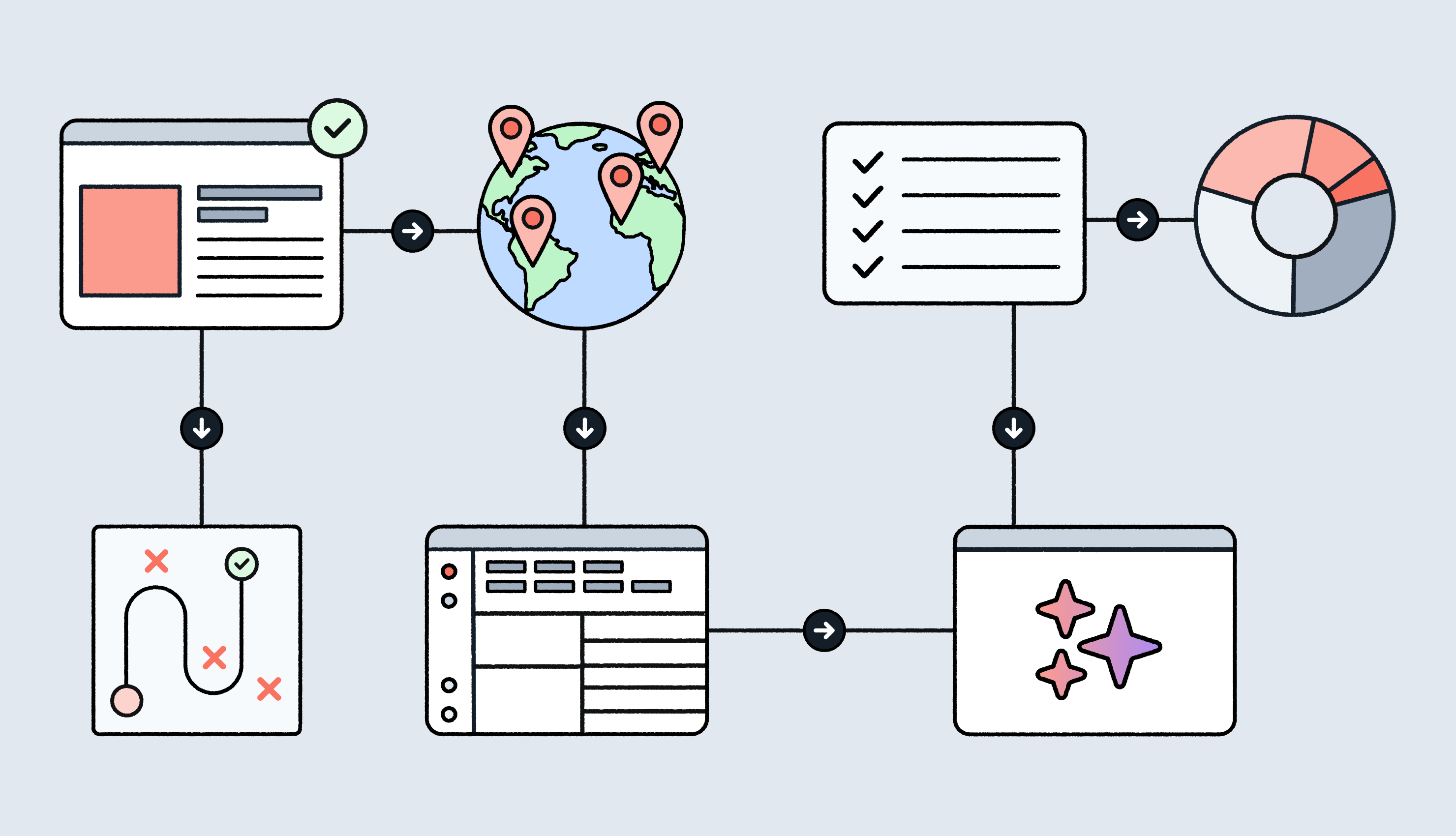
Global expansion brings massive opportunity and equally massive complexity. Content piles up across teams. Translation costs climb. Delivery slows. It’s no wonder that many localization programs stall before they scale. But some companies are doing it differently. They're building smarter systems upfront, using automation and AI where it matters, and focusing their efforts on what actually moves the needle.
November 6, 2025·Mia Comic Why agile localization is the cure for localization tech debt
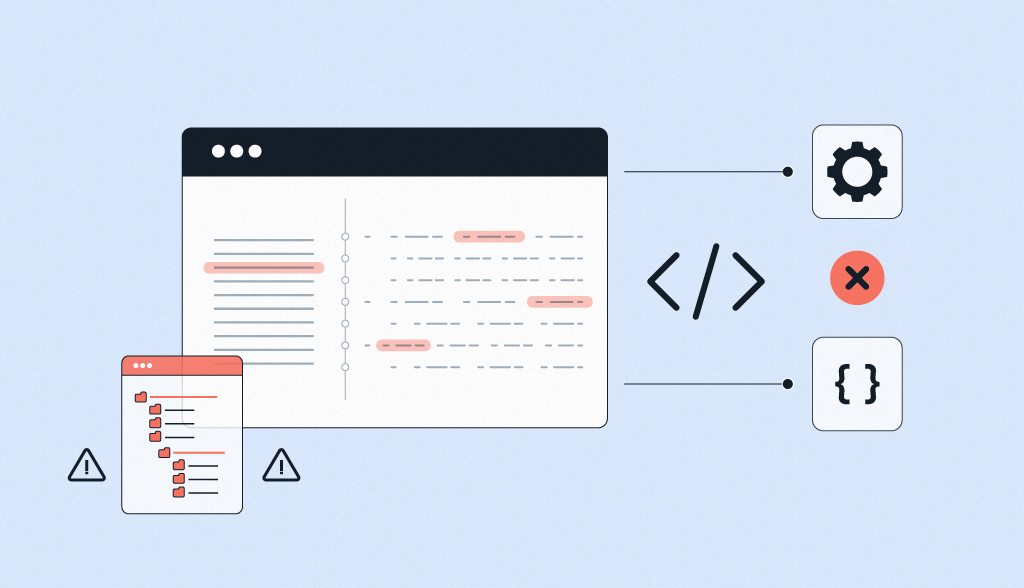
Most teams think of technical debt as messy code. But one of the fastest-growing sources of debt has nothing to do with code. It’s about localization. Every sprint, developers are pulled into work they shouldn’t be doing. Chasing down strings, fixing broken file formats, or waiting on content approvals. Hours vanish, releases slip, and frustration grows. Instead of building features, developers become bottlenecks. And when that cycle repeats, it hurts velocity, drives burnout, and
Updated on October 23, 2025·Mia Comic E-learning translation 101: How to build content that travels well
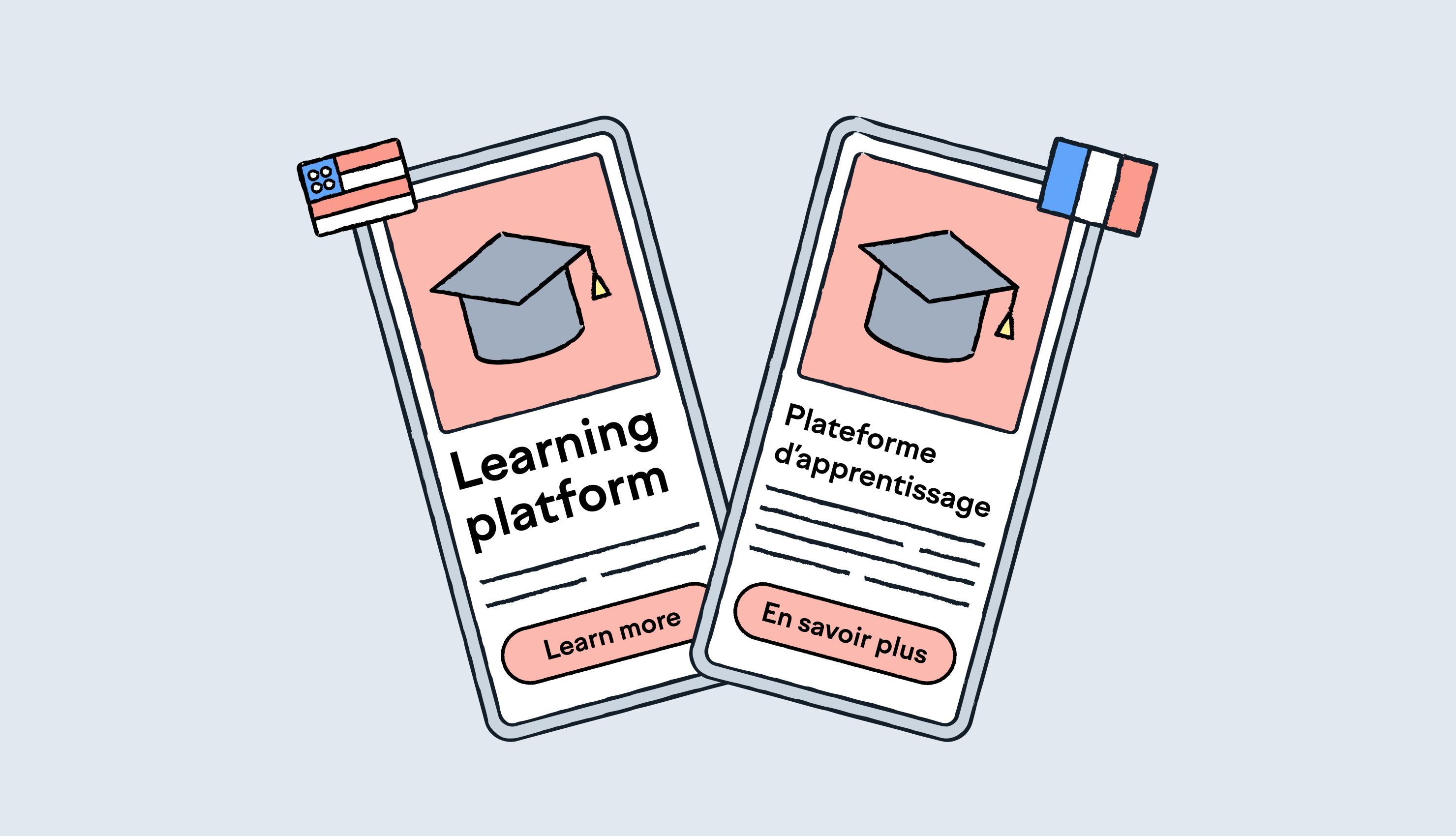
Translating your e-learning content is never a straight and easy path. You have to rethink the entire learning experience to make it feel natural and seamless in a different language. That means every element, from text and subtitles to graphics, voice-overs, and quizzes, has to line up perfectly. The problem? Most teams treat translation as a last step. When you roll out your e-learning resources, you realize that the subtitles don’t match the narration, gr
Updated on December 19, 2025·Shreelekha Singh Simple guide to SEO localization
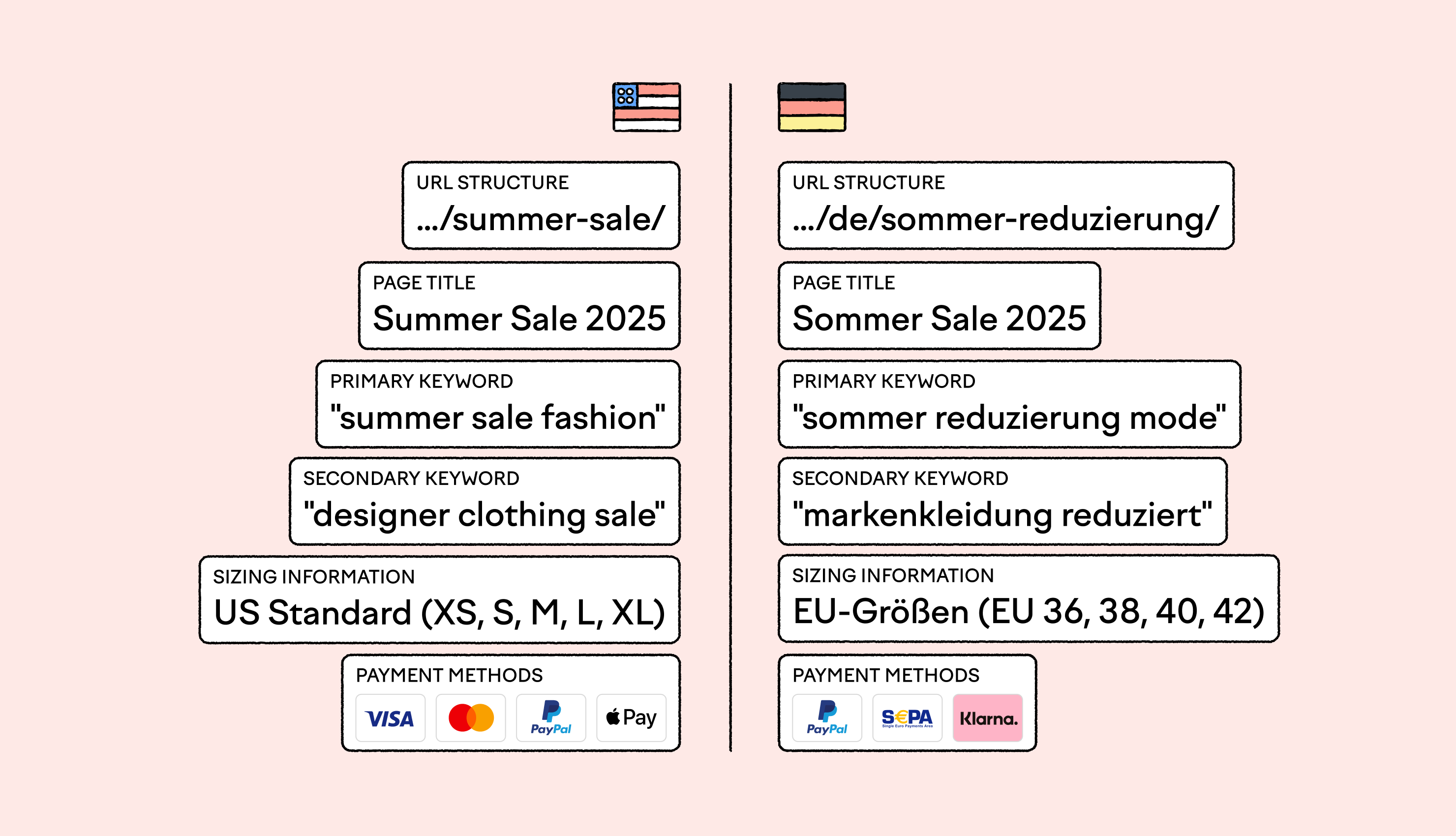
If you want your content to rank globally, direct translation won’t get you far. But SEO localization will. Provided you do it well. Localizing your SEO efforts comes down to adapting your website and content so they feel natural to local audiences and meet search engine rules in each market. That means using the right keywords, respecting the cultural context, and writing in a way that people actually search for. The challenge is knowing how to turn these principles into so
Updated on December 19, 2025·Mia Comic The Developer Delay Report: How Much Time US Dev Teams Lose to Tech Frustrations
Developer productivity is often measured by lines of code, sprint velocity, or shipped features. But what about the hidden costs, like tool outages, workflow glitches, and time spent as unofficial IT support? To uncover the true impact of these disruptions, Lokalise surveyed 500 U.S. developers and analyzed search trends across all 50 states. Learn just how much valuable time teams are losing, and why it matters for anyone building digital products. Key takeawaysDevelopers
Updated on December 19, 2025·Brittany Wolfe The missing service that helps digital agencies win bigger global contracts
The question isn't if your clients are going global, but how fast they're doing it. Global expansion, international SEO/AEO, and multilingual digital experiences are no longer niche requests; they’re dominating strategy conversations and discovery calls across the industry. Your clients are looking for more than a translation service. They need to rethink their core processes for international growth.
Updated on December 19, 2025·Naomi Murray Too Many Tools, Too Little Time: How Context Switching Is Killing Team Flow
Modern teams rely on digital tools to get work done, but when the tech stack grows too large, productivity starts to slip. To better understand how tool overload affects knowledge workers, Lokalise surveyed 1,000 U.S. white-collar professionals across 11 industries whose jobs rely on digital tools. The results reveal just how much context switching, notifications, and redundant platforms cost teams in time, focus, and well-being. Key takeaways
Updated on September 16, 2025·Brittany Wolfe