How to test ruby gem: step by step tutorial with rspec example
In the previous part of this series we learned the basics of creating a Ruby i18n We created an initial directory structure, defined a gemspec, installed dependencies, and started to write the actual code. Today, we are going to continue creating the Ruby gem and, specifically, we will take care of the testing suite essential for
Updated on November 9, 2022·Ilya Krukowski How to create a Ruby Gem: The basics explained with examples
In this series of tutorials, we will discuss all aspects of how to create a Ruby gem (gem is just a fancy word for "library" or "plugin"). In this section we will make the initial preparations, create the project structure, define the gemspec, and proceed to writing the actual gem example. This gem will play a crucial role in software internationalization by facilitating seamless i
Updated on October 2, 2024·Ilya Krukowski October: Intercom Articles, GitHub Enterprise integration, and more ????
Feels like summer (and winter for the Southern Hemisphere) flew by in a flash, right? Same here. Nevertheless, the new season brings new features and updates from Lokalise. Let’s take a deep dive into each one: Intercom Articles integration ????GitHub Enterprise integration ????????New workflow updates for Figma integration????Automatic MT
Updated on September 16, 2022·Alexander Pereverzevs Everything you need to know about translation memory software
The secret weapon for any professional translator? Translation memory software. What is translation memory, exactly? It’s become vital for translation and localization teams, and for good reasons. Translation memory software helps you to: Speed up the translation processEnsure consistent and high-quality translations across multiple projectsEasily determine the number of words translated in a giv
Updated on August 19, 2024·Gita Timofejeva Translation key naming conventions: 11 best practices for developers
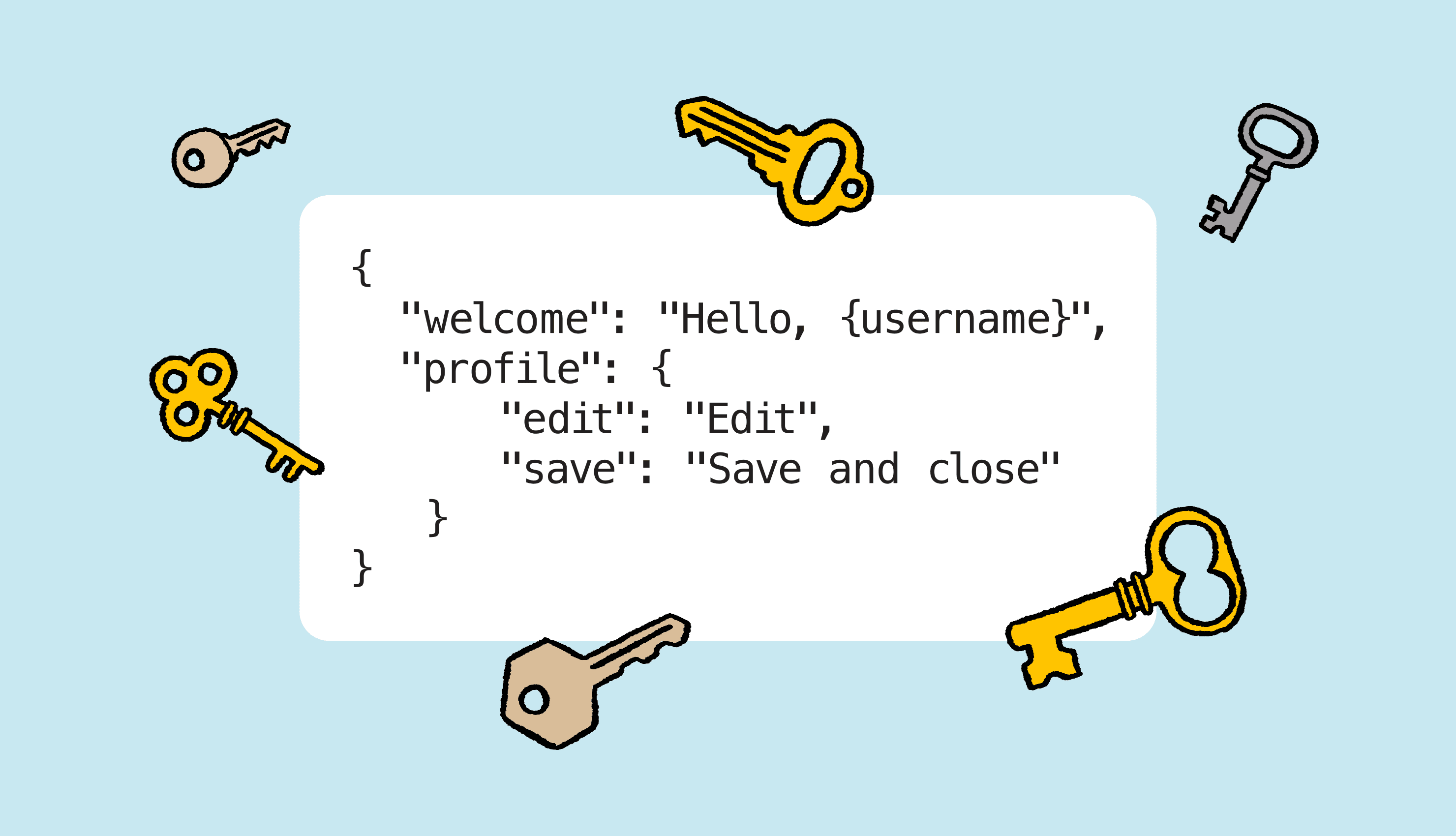
You already know that translating your app is important, and you're familiar with the general localization process. But as the saying goes, "the devil is in the details", and one crucial detail that often gets overlooked is how you manage translation keys. Poor key naming creates i18n debt—a growing maintenance burden that slows every future localization update. That’s why
Updated on March 20, 2026·Ilya Krukowski How to use a CAT tool to improve translation efficiency by up to 50%
Imagine cutting your translation time in half without compromising quality. That’s what a good computer-assisted translation tool (i.e., a CAT tool) can do for you. If you’ve ever worked on a translation project and found yourself translating the same phrases over and over again, you’re not alone. Many translators struggle with inefficient workflows and maintaining consistent terminology with term bases.
Updated on October 16, 2024·Gita Timofejeva Lokalise raises $6M for global expansion and top talent acquisition
Less than 5 years ago, we were in the same position as most of our new customers find themselves in today – in need of translation management and up to our eyes in countless spreadsheets, endless email threads, and frustrated teammates. What started as an internal project intended to make our lives easier and powered only by a handful of developers quickly grew into a healthy busin
Updated on September 16, 2022·Nick Ustinov How to incorporate machine translation into your localization workflow
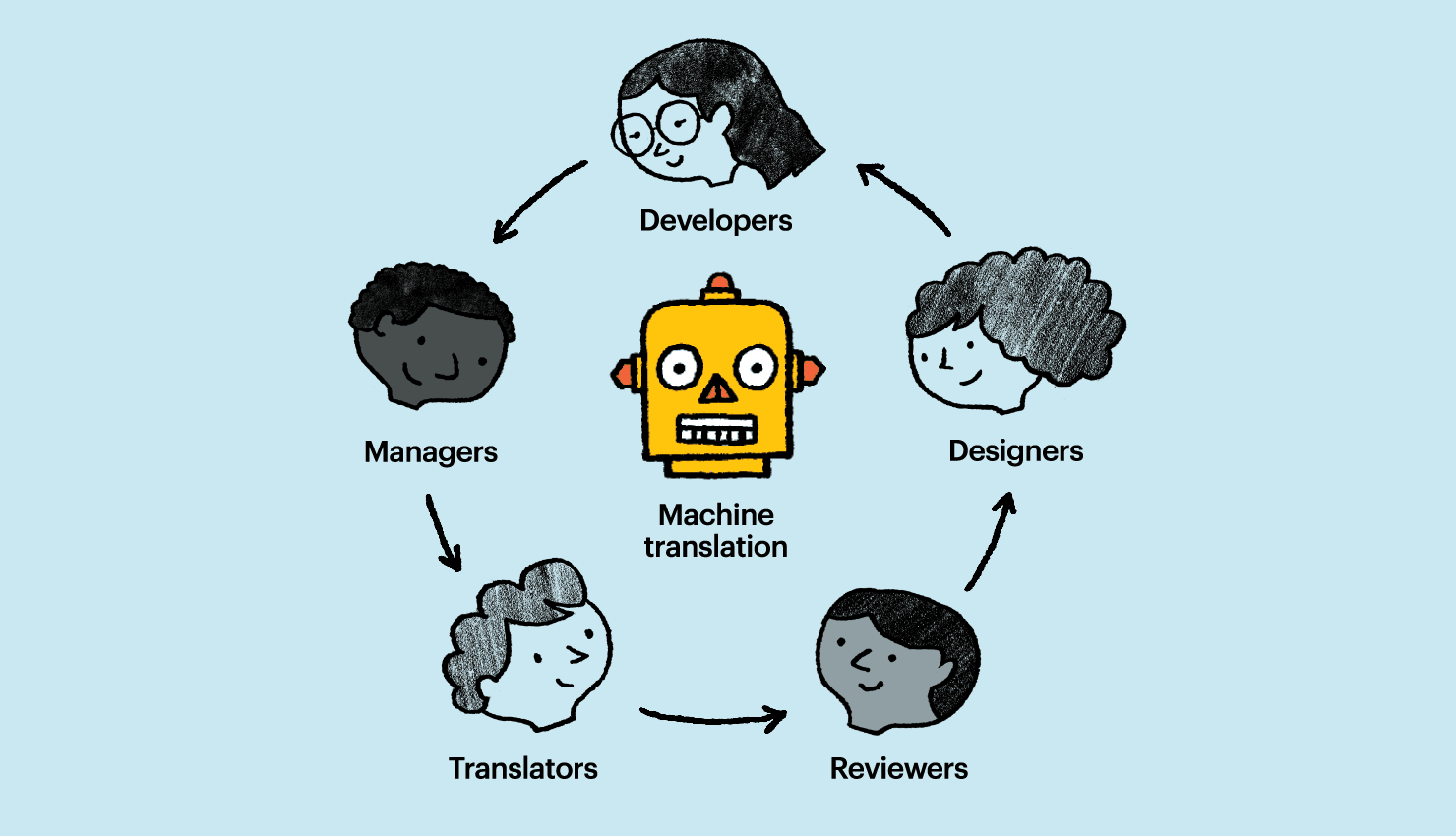
Localization involves many moving parts, with contributions from designers, developers, marketers, and translators. But it's machine translation (MT) that can speed your translation times from source language to target language and help your team deploy more quickly. Incorporating machine translation into your translation process is fairly easy — here's what you need to know and the tools you need to make it happen seamlessly. What is machine translation? Essentially, machine
Updated on October 11, 2022·Alexander Pereverzevs